

Multi Core Power Cable is developed for electrical power transmission where several insulated cores are required within one unified cable construction. Instead of routing separate power wires independently, the multi-core configuration brings the required conductors together, creating a more structured approach to equipment power wiring and electrical distribution.
Designed for power-oriented applications, this cable can be used to deliver electrical energy between power sources, distribution points and equipment components. Its construction can be selected according to the electrical load, installation method, mechanical requirements and environmental conditions of the intended application.
Multi Core Power Cable is suitable for industrial machinery, electrical equipment, automation installations, power distribution assemblies and other systems that require organized multi-core power transmission. XUNPU can provide cable configurations tailored to different equipment designs and project requirements, subject to the required conductor structure, insulation system, jacket construction and electrical specifications.
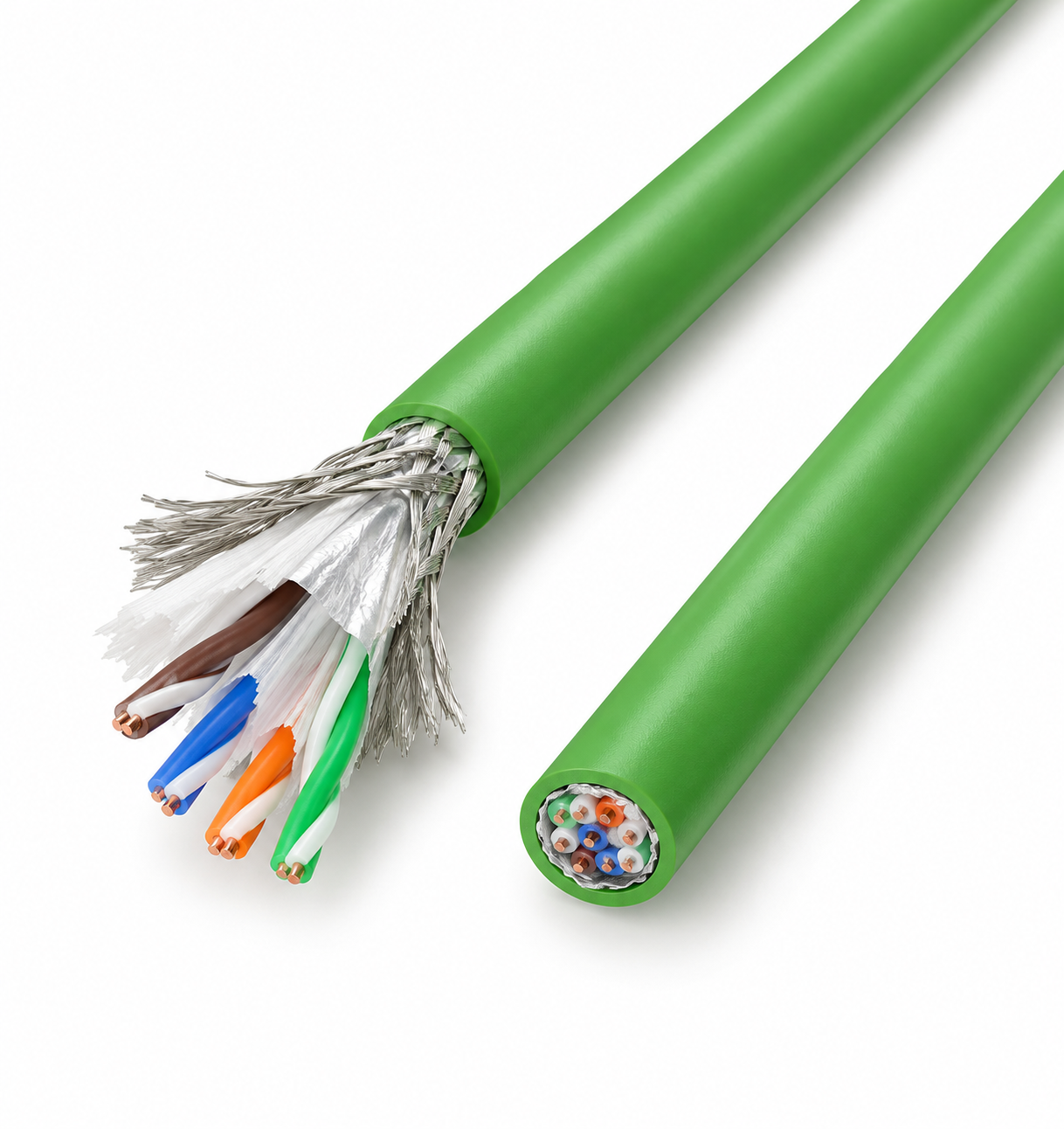
Product type: Multi Core Power Cable designed for electrical power transmission and equipment power supply.
Core configuration: Multiple insulated power cores arranged within a common outer cable construction.
Conductor material: Conductor selection can be specified according to conductivity, flexibility, current requirements and application conditions.
Core size: Available conductor cross-sectional areas should be selected according to the required load, installation conditions and applicable electrical requirements.
Rated voltage: The applicable voltage rating depends on the selected cable construction and insulation system.
Current capacity: Allowable current depends on conductor size, cable construction, installation method, ambient temperature and other operating conditions.
Insulation material: Insulation options can be selected according to voltage requirements, temperature conditions and mechanical performance requirements.
Outer sheath: Jacket construction can be configured according to the required protection against mechanical stress, moisture and environmental exposure.
Flexibility: Flexible cable constructions can be selected where equipment movement, bending or confined routing conditions require greater installation adaptability.
Customization: Core quantity, conductor size, insulation structure, jacket construction and overall cable configuration can be specified according to project requirements.
The multi-core structure combines several power conductors into one cable, providing a more compact alternative to separately routed power wires.
The cable is designed with a clear focus on electrical power transmission, making it suitable for equipment and systems where dependable power delivery is a primary requirement.
Different conductor sizes and core configurations allow the cable to be matched to different power loads and equipment architectures.
Depending on the selected construction, flexible versions can accommodate equipment layouts where cable bending and movement are part of normal operation.
A common outer sheath provides an integrated cable structure that can make installation and routing more orderly within electrical equipment and machinery.
Material and construction options can be selected according to temperature, mechanical stress, moisture and other environmental considerations.
Custom configurations enable the cable to be adapted to specific equipment designs rather than relying on a single standardized construction for every application.
The primary function of Multi Core Power Cable is to transfer electrical power from a supply source to equipment, electrical assemblies or distribution points through multiple insulated conductors contained within one cable.
Multiple cores can be allocated to different power paths within the same cable assembly, helping organize equipment power wiring and reducing the need to route numerous independent cables through the same installation area.
The cable can also support power distribution between electrical modules and machinery components where the system architecture requires several conductors to travel along a shared route.
For equipment manufacturers, a suitable multi-core power cable can contribute to cleaner cable routing, more efficient installation and easier identification of power connections during equipment assembly and servicing.
Industrial machinery: Multi Core Power Cable can be used to deliver electrical power to motors, drives, machine modules and other power-consuming components.
Factory equipment: The cable can provide organized power wiring between electrical supply points and production equipment installed on manufacturing floors.
Automation equipment: Suitable configurations can distribute electrical power to automation machinery and integrated equipment modules requiring several power conductors.
Electrical control cabinets: Multi-core power cables can be used for internal or external power routing where several conductors need to follow a common cable path.
Power distribution systems: The cable can connect distribution components and downstream equipment where multi-core power transmission is required.
Industrial electrical installations: Its integrated construction is suitable for installations that require multiple power conductors to be routed together through equipment or cable management systems.
OEM equipment: Equipment manufacturers can specify core quantity, conductor size and cable construction according to the power architecture of their machines and electrical systems.
Commercial and technical equipment: Appropriately selected versions can be incorporated into equipment requiring dependable multi-core electrical power connections.
Q1: What is a Multi Core Power Cable?
A Multi Core Power Cable contains multiple insulated electrical conductors within a common cable structure and is primarily designed for power transmission and equipment power supply.
Q2: What is the difference between a multi-core power cable and a standard single-core power cable?
A multi-core power cable incorporates several insulated conductors into one cable assembly, while a single-core cable contains one conductor. Multi-core construction can simplify installations requiring multiple power conductors along the same route.
Q3: How do I choose the correct conductor size?
Conductor size should be selected according to the required current, voltage, cable length, installation method, ambient conditions and applicable electrical standards.
Q4: Can the number of cores be customized?
Yes. The core count can be specified according to the power distribution arrangement and electrical architecture of the equipment or project.
Q5: Are flexible Multi Core Power Cables available?
Flexible constructions can be selected for equipment where cable routing involves bending, movement or limited installation space.
Q6: Can this cable be used for industrial machinery?
Yes. Multi Core Power Cable is suitable for various machinery and industrial equipment applications when the cable construction and electrical rating match the operating requirements.
Q7: What factors affect the current carrying capacity?
Current capacity is affected by conductor cross-sectional area, conductor material, insulation characteristics, ambient temperature, installation method and the number of loaded cores.
Q8: Can XUNPU provide customized Multi Core Power Cables?
XUNPU can develop cable configurations based on project requirements, including conductor arrangement, core quantity, conductor size and suitable insulation and jacket constructions.


Copyright © 2026 All rights reserved Sitemap
Technical Support:hzw
This website uses cookies to ensure you get the best experience on our website.



 WhatsApp
 Phone
Phone